
Does Medicaid Cover Rehab in Austintown, OH? Finding Rehab That Takes Medicaid Near Me
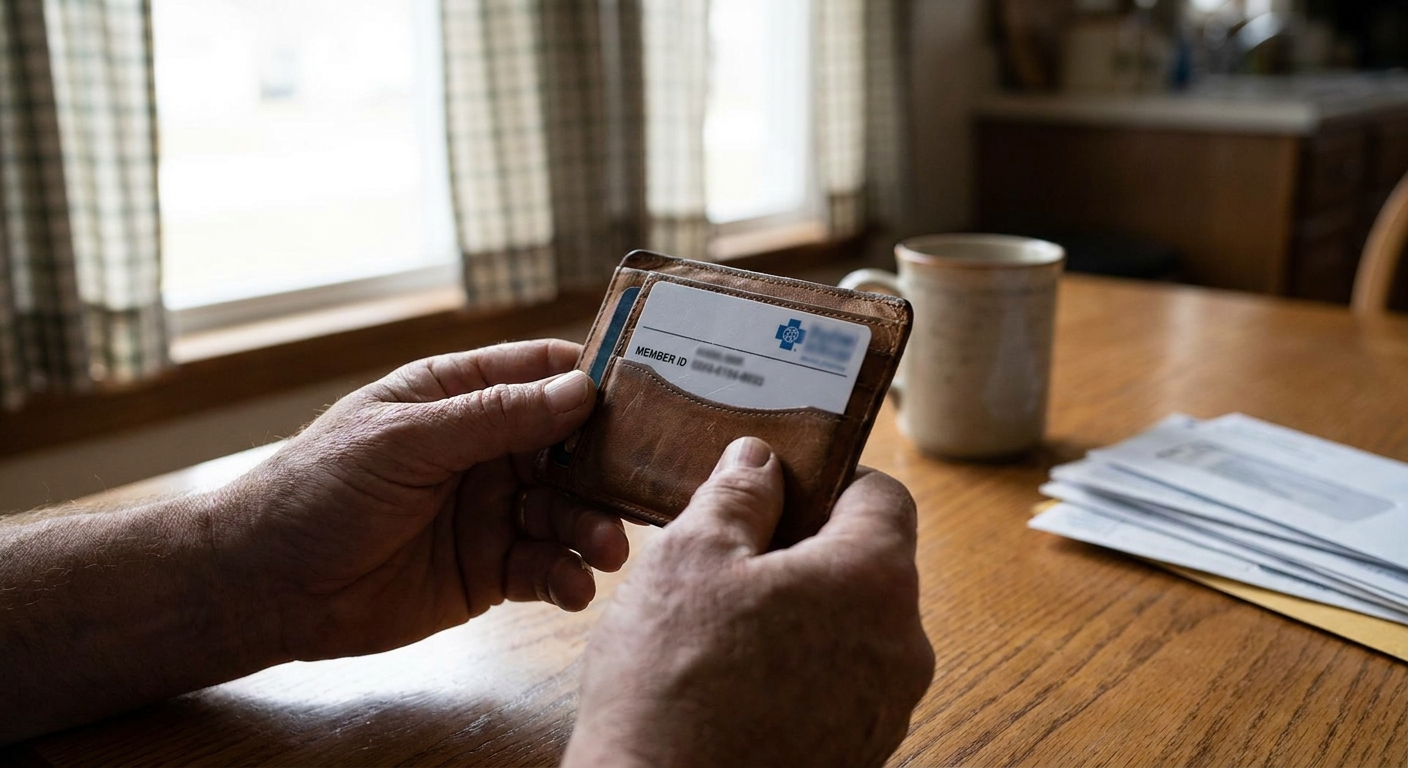
Your adult son or daughter has a Medicaid card. Before you pick up the phone, you want to know one thing: will that card get them into treatment, or will you end up with a bill you cannot pay? In Ohio, “Medicaid” is usually not one plan with one set of rules. Most members are enrolled through a managed-care plan. Each plan has its own prior-authorization steps, its own pharmacy list for medication-assisted treatment, and its own way of deciding how many days of residential care to approve before it asks for a review. If you are searching for rehab that takes Medicaid near me in Austintown, OH, “Do they take Medicaid?” is only half the question. The other half is “Will my child’s plan approve the care they actually need, and what will we owe?” This guide from Midwest Center at Youngstown answers both.
The admissions team at Midwest Center at Youngstown has seen families walk in with Medicaid coverage from plans across the region, some with fast approval processes, others with multiple rounds of documentation before a single residential day gets authorized. Knowing how coverage, authorization, and costs work in practice helps you know what to ask when you call.
What does Ohio Medicaid actually cover for addiction treatment?
Ohio Medicaid may cover substance use disorder treatment, including drug and alcohol rehab, when the care is medically necessary. That can include detox, residential (inpatient) treatment, and outpatient services. What gets approved, and how fast, depends on which managed-care plan your child is enrolled in.
Medicaid is a joint federal and state program. Medicaid.gov explains that state Medicaid programs provide behavioral health services, including treatment for substance use disorders, and that each state has room to shape those benefits. In Ohio, the Ohio Department of Medicaid delivers most of that care through managed-care plans rather than one central office. Your child’s card will name a specific plan, and that plan reviews and approves treatment.
Because of this, two families in the same Youngstown-area community can have very different experiences. One parent’s daughter may be on a plan that approves several days of detox right away and then asks for more clinical notes before residential care. Another parent’s son, on a different plan, may need a different form, a different reviewer, or a different medication on the pharmacy list. Neither family did anything wrong. Each plan follows its own rules.
At Midwest Center at Youngstown, the verification call is where “yes, Medicaid covers rehab” becomes the specific answer for your child. Seeing the word “Medicaid” on a card is only the start. We look at the exact plan, what it usually approves, and what it will want to see from the clinical team.
How does the intake team decide what level of care your child needs?
Before any Medicaid plan reviews a request, someone has to decide what kind of care your child should receive. At Midwest Center at Youngstown, an intake screening by our admissions team, based on your child’s individual needs, guides the level-of-care recommendation. Insurance type does not. The screening asks one central question: can the team safely and appropriately meet your child’s needs at the level of care it provides? That clinical answer shapes both the recommendation and what the team asks the Medicaid plan to approve.
The screening looks past a single diagnosis to the whole person. It weighs:
- drug or alcohol use and withdrawal risk
- medical history and how stable your child is right now
- mental health needs
- current medications
- suicide risk
- ability to handle activities of daily living
- how much support your child needs
Brittany, RN, Chief Nursing and Clinical Officer at Midwest Center at Youngstown, makes the final determination together with the facility’s clinical team. No one person decides alone, and an open bed is never the deciding factor.
Being honest about limits is part of keeping your child safe. Some situations lead the team to consider whether a higher level of care is the right first step:
- Your child is medically unstable.
- Your child needs significant help with daily tasks such as bathing or eating.
- Your child is having active suicidal thoughts with a plan and intent.
Midwest Center treats co-occurring substance use and mental health conditions together through its Dual Diagnosis program. It is not a primary mental-health-only program for someone who does not also have a substance use disorder.
Here is an example. Say your son drinks every day, has been through withdrawal before, and has struggled with depression for years. Brittany and the clinical team would weigh his withdrawal risk, his mood, his medications, and how he is managing day to day. That full picture then goes into the authorization request to his Medicaid plan. Plans approve care based on medical necessity, so a clear, honest clinical picture may give your child a better chance of approval for the care he actually needs, though approval depends on the plan’s decision.
What happens with prior authorization before your child is admitted?
Once Midwest Center’s clinical team recommends a level of care, your child’s Medicaid plan has to agree. Prior authorization is the plan’s approval of a specific level of care before or at the start of treatment. Midwest Center at Youngstown’s admissions team submits that request to your child’s Medicaid plan for you. The plan may approve a set number of days and then ask for a continued-stay review to extend care.
Here is how it works:
- The admissions team sends the plan the clinical information gathered during the intake screening.
- The plan’s reviewer compares it to the plan’s medical necessity rules.
- The plan approves the request, asks for more information, or denies it.
If a request is denied or limited, a Midwest Center clinician can often ask to speak directly with the plan’s reviewer. This is sometimes called a peer-to-peer review, and it gives the clinician a chance to explain why your child needs that level of care. Medicaid members also have the right to appeal a plan’s decision, and the team can walk you through that process if needed.
Plans often approve care in stages. A plan might approve a certain number of detox or residential days up front. Near the end of those days, the Midwest Center at Youngstown clinical team sends updated notes showing how your child is doing and why more time at that level may still be needed. This continued-stay review is routine and does not mean treatment is about to end. The plan simply wants current information before approving more days.
Two practical points help parents most:
- Your child’s consent. Your child is an adult, so privacy laws generally require their written permission before staff can share health details with you. Your child does not have to make the first call. At some point, though, they will need to take part and sign a release if they want you involved.
- Timelines. Timelines vary by plan, and no one can predict what a plan will decide. The team moves as quickly as the plan allows and keeps you informed along the way.
If your child is in danger right now, call 911. If they are thinking about suicide, call or text 988. Do not wait on paperwork when safety is at stake.
What will you actually pay out of pocket with Medicaid?
For many parents, cost is the fear behind every other question. What you pay for authorized treatment depends on your specific Ohio Medicaid plan and whether it contracts with Midwest Center, so our team will verify your coverage for comprehensive behavioral health services before care begins. Costs usually come up only in specific situations:
- days the plan did not approve
- services denied as not medically necessary
- medications not on the plan’s list
- coverage that has lapsed
Medicaid is designed so members are not buried in medical bills. The real risk is care that happens without the plan’s approval. If your child stays past the approved days without a new authorization, or receives a service the plan ruled not medically necessary, the plan may not pay. That is why Midwest Center at Youngstown explains what is approved and what your financial responsibility would be before admission, not after.
Use this table as a starting estimate. A verification call with Midwest Center’s admissions team fills in the details for your child’s plan.
| Situation | What you may owe | Why |
|---|---|---|
| Care is authorized and the center works with your child’s plan | Usually nothing or a small copay | The plan has approved and agreed to pay for that care |
| Approved days run out and a continued-stay review is still pending | Ask before anything is billed | Coverage depends on the plan approving the extension |
| Plan denies a level of care as not medically necessary | Possible cost if care continues at that level without appeal | The plan will not pay for care it has not approved |
| A specific MAT medication is not on the plan’s pharmacy list | Possible cost, or a switch to a covered medication | Each plan keeps its own list of covered drugs |
| Medicaid coverage is inactive or under renewal | Full cost unless coverage is restored or another payer applies | No active plan means no plan payment |
If your child’s Medicaid has lapsed, treatment may still be possible. Midwest Center at Youngstown also accepts Medicare, Aetna, Anthem Blue Cross Blue Shield, Cigna, and UnitedHealthcare, and it offers private pay. The admissions team can talk through your options while you work on restoring coverage. The goal is to get your child into the right care with no surprises for your family.
Which levels of care at Midwest Center can Medicaid help pay for?
Midwest Center at Youngstown offers these levels of care:
- detox and withdrawal management
- residential (inpatient) treatment
- partial hospitalization (PHP)
- intensive outpatient (IOP)
- outpatient and aftercare
- medication-assisted treatment (MAT)
- Dual Diagnosis care for co-occurring conditions
Ohio Medicaid plans may help pay for these when they are medically necessary and authorized.
Many parents have been through this before. Maybe your child finished a short program, came home, and things fell apart within weeks. If you worry this will be “another short-term fix,” that concern is reasonable. Midwest Center pairs evidence-based and holistic care within comprehensive behavioral health services. The focus is on building coping skills and a foundation that may support lasting change and long-term recovery, not just getting through withdrawal, though individual progress varies.
Your child’s Medicaid plan usually reviews each step separately. Detox might be approved quickly because withdrawal can be medically dangerous, while residential care may need more clinical detail. As your child progresses, the Midwest Center at Youngstown team may recommend stepping down to PHP, then IOP, then outpatient care, with a new authorization at each step. The treatment plan should change as your child changes. If something is not working, the clinical team looks at why and adjusts.
A note on MAT. Medications such as buprenorphine or naltrexone can be part of evidence-based treatment for opioid or alcohol use disorders. Ohio Medicaid plans cover medications for addiction treatment, but each plan keeps its own pharmacy list and rules. The Midwest Center at Youngstown admissions team checks which medications your child’s plan covers before including them in the treatment plan.
How do you verify benefits with a rehab that takes Medicaid near me?
Verifying benefits takes one phone call. Call Midwest Center at Youngstown’s admissions team with your child’s Medicaid card and a short summary of what is going on. The team checks the plan, explains what it usually approves, and handles the authorization request directly with the plan. You do not have to call the insurer yourself.
Have these ready before you call:
- Your child’s Medicaid member ID card. A photo of the front and back works.
- The exact plan name printed on the card. “Medicaid” alone is not enough. In Ohio, most members are enrolled in a managed-care plan, and the plan name tells the team whose rules apply.
- A short summary of current drug or alcohol use. Include what they use, how often, and when they last used.
- A short summary of mental health needs. Include diagnoses, recent mood changes, and any history of self-harm or suicidal thoughts.
- A list of current medications, including anything prescribed for mental health.
- Whether your child is willing to talk with the team. They do not need to be on the first call, but as an adult, their written consent will be needed before staff can share health details with you.
During the call, the admissions team will ask about your child’s safety, withdrawal history, health conditions, and daily functioning. These questions mirror the intake screening that Brittany, RN, and the clinical team use to decide whether Midwest Center can safely meet your child’s needs. Before the call ends, you should know:
- whether the plan is active
- what level of care the team expects to request
- what the plan may want to see before approving it
- what your family might owe
Many parents say the hardest part is knowing where to start. Bring the card and what you know. The Midwest Center at Youngstown team will fill in the rest and handle the paperwork with the plan.
Why does it matter whether your child’s plan works with the center?
Network status can make or break a smooth admission. Medicaid plans pay the providers they have agreed to work with, known as their network. Choosing a center that works with your child’s specific plan may help prevent denied claims and delays. Midwest Center at Youngstown may accept your child’s Medicaid plan, and the admissions team confirms network status during verification so your family can focus on comprehensive behavioral health care and sustainable sobriety.
A recovery center that “takes Medicaid” may still not work with every Medicaid plan. If a provider is outside your child’s plan network, the plan may refuse to pay or require extra steps that slow things down. When your child is ready to start treatment today, that kind of delay can feel unbearable. So when you search for rehab that takes Medicaid near me, checking the network first is one of the simplest ways to help protect your child’s care and your family’s finances.
Midwest Center at Youngstown’s admissions team checks the network before anything else. The team will tell you clearly whether your child’s plan works with the center, what the authorization process looks like, and what to expect at each review. If your child’s plan does not work with Midwest Center, you will hear that directly, along with your options.
If you want another place to check options, SAMHSA’s National Helpline at 1-800-662-4357 is free, confidential, and available every day of the year for treatment referrals and information. It can help when you are comparing programs or need support outside business hours.
What do parents ask most before they call?
These are the questions parents ask most often about using Medicaid for treatment at Midwest Center at Youngstown. The answers are general, because your child’s plan sets the final rules and the verification call confirms them.
Does Ohio Medicaid cover detox and residential treatment?
Ohio Medicaid may cover detox and residential (inpatient) treatment when your child’s plan approves the services and the clinical assessment shows that level of care is medically necessary. The Midwest Center at Youngstown admissions team requests that approval for you.
Will I have a copay for rehab with Medicaid?
Many Ohio Medicaid members pay nothing or a small copay for authorized services, though individual responsibility varies. The verification call tells you what your child’s plan charges, if anything.
How long does prior authorization take?
It depends on the plan and how urgent the situation is. Midwest Center’s admissions team submits the request and works directly with the plan to move it forward. If your child is in danger, call 911 or 988 first.
What if my child’s plan only approves a few days?
That is common. Near the end of the approved days, the Midwest Center at Youngstown clinical team submits a continued-stay review with updated notes asking for more time if your child still needs that level of care.
Can Midwest Center treat my child if they have depression or anxiety but no addiction?
No. Midwest Center treats substance use and mental health conditions together through its Dual Diagnosis program. It is not a primary mental-health-only program for someone without a substance use disorder.
Does Medicaid cover medication-assisted treatment like buprenorphine or naltrexone?
Ohio Medicaid plans may cover medications for addiction treatment, but each plan has its own pharmacy list. The admissions team checks which medications your child’s plan covers.
Ready to call? Here is exactly what happens next
Call Midwest Center at Youngstown’s admissions team at 502-830-3523 with your child’s Medicaid member ID and the exact plan name printed on the card. The team will verify benefits, submit the prior authorization to the plan, and explain the approved services and your financial responsibility before admission.
You have likely carried this alone for a long time. You may have made calls before that went nowhere, or watched a program end before your child was ready. By the end of this call, you will know what your child’s plan is likely to approve, what the next step is, and what your family is responsible for. You should have those answers before your child walks through the door.
Before you dial, take out your child’s card and read the plan name out loud. Write it down next to the member ID. That one detail decides whose rules apply, and having it ready can save time on the first call.
Find Out What Your Medicaid Plan Covers
If you’ve been putting off getting help because you’re unsure whether your Medicaid will cover treatment, you don’t have to figure it out alone. Midwest Center at Youngstown can verify your benefits and walk you through your coverage options for substance use disorder treatment in Austintown, OH. One quick call can give you the answers you need to move forward with confidence.
Call Midwest Center at Youngstown
Individual experiences with Medicaid coverage, authorization processes, treatment progress, and financial responsibility vary based on plan type, clinical needs, and individual circumstances.