
Many families describe the same moment. It is late at night, your loved one says “maybe” for the first time in months, and you have no idea what to do in the next hour. This guide on how to get someone into rehab who doesn’t want to go is written for that hour, and for the long stretch of refusals that usually comes before it.
For us, the honest place to start is this: in Ohio, you usually cannot make an adult go to treatment. You can’t drag them, trick them, or sign them in. What you can control is how ready you are when a “no” turns into a “maybe.” The goal isn’t to win an argument. It’s to be the steady person with a plan when the door opens a crack.
You are not the only family going through this. Every year, SAMHSA’s National Survey on Drug Use and Health measures how many people in the United States live with a substance use disorder and how many of them get treatment. The gap between those two groups is wide, and refusal is part of it, along with families who want to help but don’t know the next move.
What to expect from this guide. By the end, you will know:
- how to tell an emergency from a slow effort
- what to say, with real scripts
- what smaller step to offer
- what Ohio law does and does not allow
- what happens on the phone with Midwest Center at Youngstown in Austintown, OH when the yes comes
- how to protect yourself while you wait
Some families find these steps helpful in preparing for a yes and in moving faster when it comes. Outcomes differ from family to family, and no one can promise either one.
What Do You Need Before You Start? (Prerequisites)
Before you bring up treatment, you need two things. The first is honest expectations. The second is a short list of logistics, ready ahead of time, so a fragile yes doesn’t fall apart while you search for an insurance card.
Start with expectations. Most adults can’t be forced into rehab. Ohio has a few narrow court routes, which Step 4 explains, but they are slow and they do not ensure that a person will engage in treatment or recover. Your realistic job is to lower the walls a little at a time, keep the relationship alive, and be ready to act the moment your loved one is willing. Many families find that last part matters, because willingness can fade within hours if nobody knows what to do next.
Then gather the practical pieces. Do it quietly and calmly, the way you would pack an emergency kit:
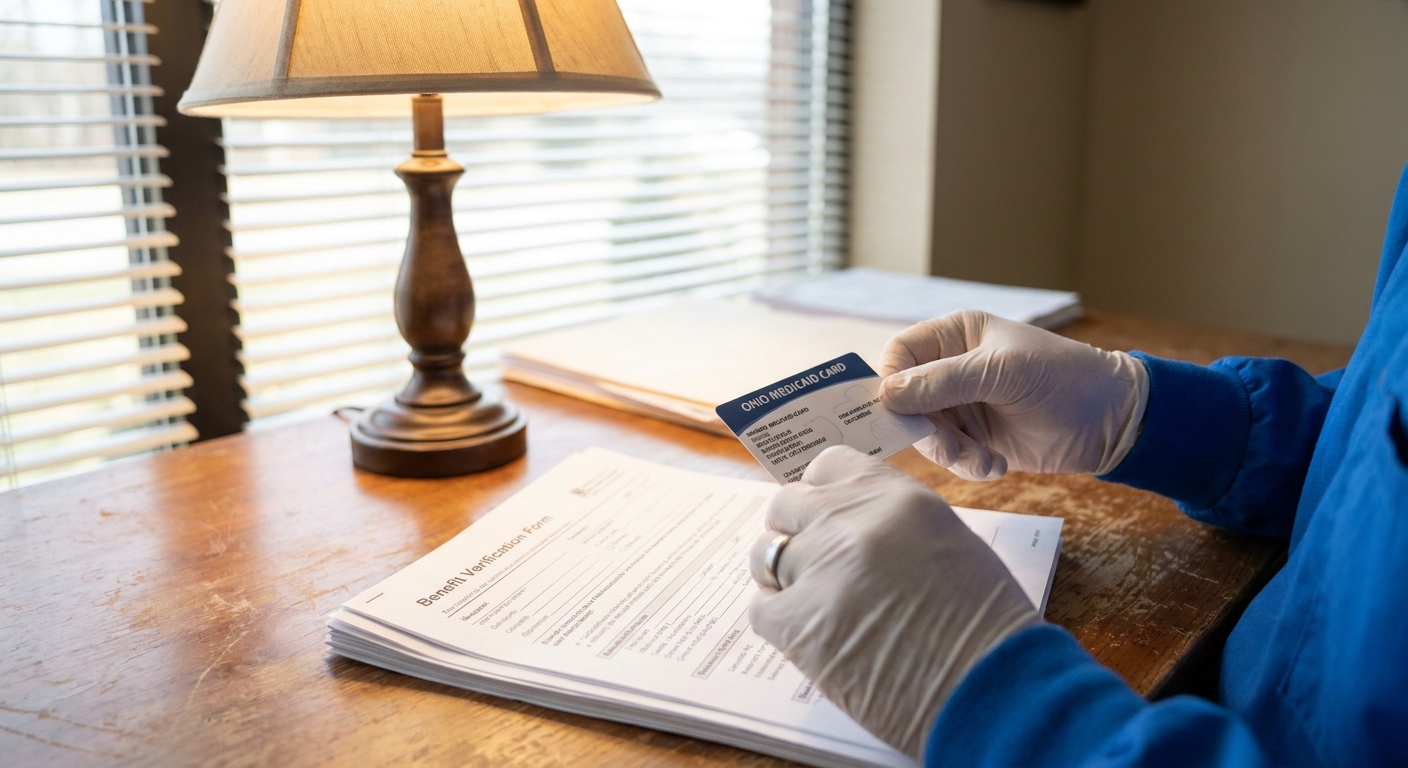
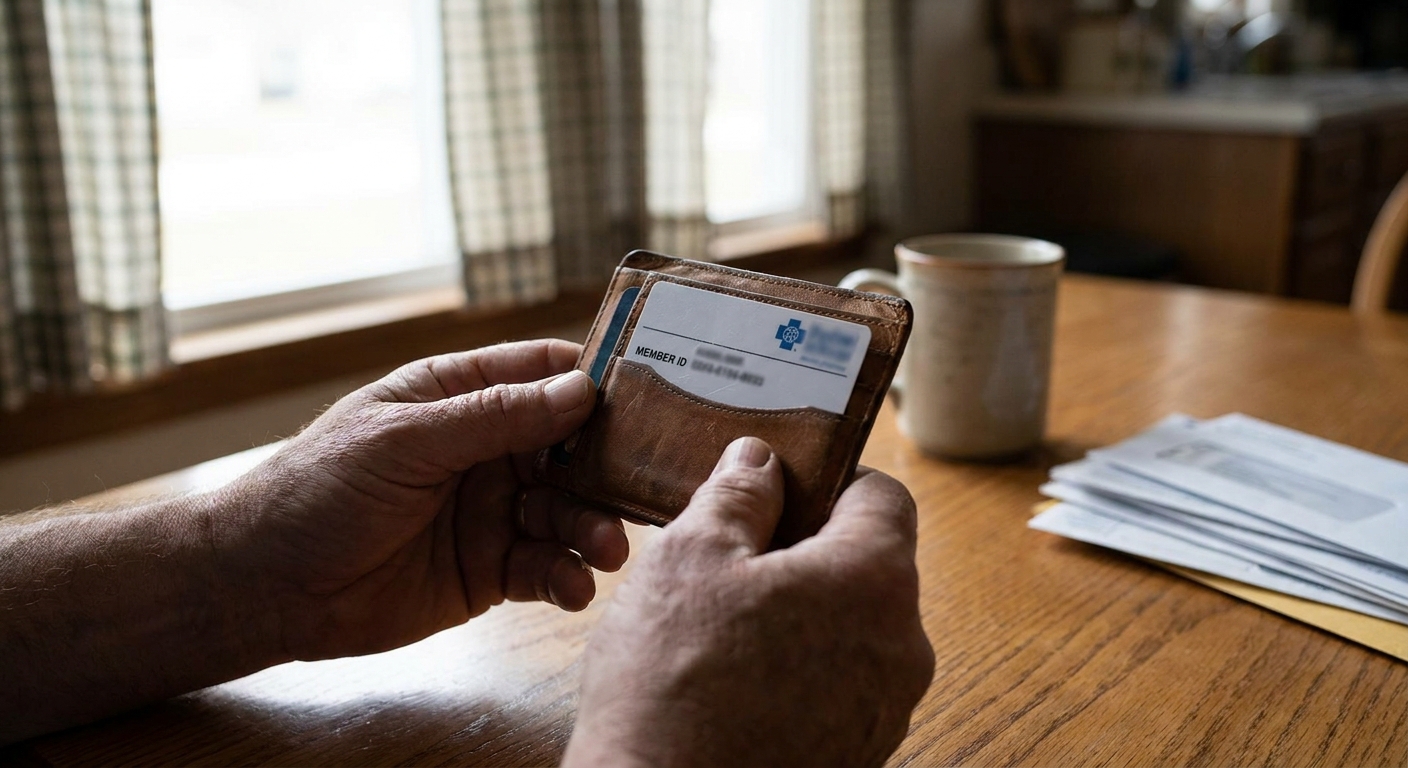
- Your loved one’s insurance card and photo ID, or clear photos of both on your phone
- A list of their current medications and any medical conditions you know about
- A ride to Austintown, OH, plus a backup driver
- A plan for kids, pets, bills, and who to call at their job
- A small bag of comfortable clothes (ask admissions what to pack and what to leave home)
- Someone in your own corner you can call when this gets hard
The last piece is one phone call. You may worry that calling ahead feels like going behind their back, but asking questions doesn’t commit anyone to anything. A family member can call Midwest Center at Youngstown at 844-544-0502 to ask what admissions will need, which insurance plans the center works with, and how screening works. Midwest Center at Youngstown provides detox and residential care at its Austintown, OH location, so that is the step you would be preparing for. Bed availability and insurance coverage are confirmed on the call, never promised ahead of time. When you already know the answers, you may be less likely to lose the window while you look them up.
Step 1: How Do You Tell an Emergency From a Slow Persuasion Effort?
Overdose, suicidal intent, and unsafe withdrawal are emergencies, so call 911 right away. Almost everything else is a slower persuasion effort, and that gives you time to plan, talk, and prepare.
Call 911 if your loved one:
- can’t be woken up, or is breathing very slowly or not at all
- has blue or gray lips or fingertips
- has a seizure
- is confused or seeing things that aren’t there during withdrawal
- talks about suicide with a plan or a way to carry it out
Do not try to hold them down or restrain them yourself. That can hurt both of you and turn a medical crisis into a physical fight. Stay with them, follow the dispatcher’s instructions, and let emergency responders take it from there. One more safety warning: withdrawal from alcohol or sedatives like benzodiazepines can be dangerous, so never push someone to quit cold turkey at home without medical guidance.
If nobody is in immediate danger but you feel scared and stuck, there are free places to call. The 988 Suicide & Crisis Lifeline takes calls and texts at 988. The SAMHSA National Helpline at 1-800-662-4357 is free and confidential, answers around the clock, and can point you to treatment and support options. Use these lines for yourself, too. You don’t have to wait until your loved one agrees to anything before you get support.
We also want to be honest about our limits. Midwest Center at Youngstown is not the right setting to stabilize someone who has active suicidal thoughts with a plan and intent. That situation needs immediate, higher-level psychiatric care, so go to your nearest emergency room or call 911. A mental health diagnosis on its own does not rule someone out of our care. Active danger is different, and that call should never wait on a phone conversation with a treatment center.
Step 2: How Do You Talk to Someone Who Refuses Treatment Without Making Them Defensive?
Talk when your loved one is sober and calm, in private, and use “I” statements. Describe what you have seen and how it affects you, ask one open question, then listen far more than you speak.
Timing matters as much as words. A talk while they are drunk, high, hungover, or in withdrawal will almost always turn into a fight. Pick a quiet moment, often in the morning, with no audience. Avoid holidays and family dinners, and don’t confront them in front of their kids or friends. Public pressure brings shame, and shame tends to make people shut down. Here are three scripts you can adapt:
- For a spouse or partner: “I miss us. When you came home late three nights this week, I lay awake scared. I’m not trying to win an argument. I want to help you feel better, and I’d like us to make one phone call together.”
- For a parent talking to an adult son or daughter: “I’m not here to lecture you. I love you, and I’m worried about your health. You don’t have to decide anything tonight. Would you be willing to hear what a treatment center would actually ask you?”
- When they deny it or get angry: “You don’t have to agree with me today. I’m going to keep caring about you, and this offer stands whenever you want it.”
Expect a hard first reaction. Anger, denial, blaming you, crying, changing the subject, or walking out are all common when someone first hears that people are worried about their use. Under that reaction there is often shame, fear of withdrawal, or fear of losing a job or a relationship. Don’t argue about how much they drink or use, and don’t use labels like “addict” or “alcoholic.” Describe what you saw, say what you feel, and stop there. You can come back to it another day.
This approach borrows from CRAFT (Community Reinforcement and Family Training), a well-studied method that teaches family members to communicate without blame. It also teaches them to notice and reward sober moments, let natural consequences happen, and suggest treatment when the person seems most open. CRAFT pays attention to the family member’s own well-being too. A counselor trained in CRAFT can coach you through it, and that support may help when the person you love is your son or daughter and every instinct tells you to rescue them.
Some families think about a formal, structured intervention. If you do, take time to vet anyone you hire. Ask about their training, their approach, what it costs, and what their plan is if your loved one says no. Surprise confrontations can backfire and damage trust. Whatever approach you choose, have the logistics from the prerequisites ready first, because a yes with no plan behind it is easy to lose.
Step 3: What Smaller First Step Can You Offer?
Once the conversation is open, don’t ask for a big yes all at once, like “go to rehab.” Offer one small, concrete step instead: a phone call, a screening conversation, or a visit to their doctor. A small ask may be easier to accept, and for some people one step leads to the next.
Many people refuse because “you need help” sounds like “you are the problem.” For people living with anxiety, depression, trauma, or grief, that message can hit even harder. They may believe the drinking or drug use is the only thing keeping them afloat, and they may fear a program will take away their coping tool and ignore the pain underneath it. That is where a co-occurring approach changes the conversation. Midwest Center at Youngstown treats substance use and mental health together through its Dual Diagnosis program. You can say: “You don’t have to pick between the anxiety or the trauma and the drinking. One team looks at both.”
In one client’s experience, he arrived believing his main issue was simply substance use. As we got to know him, it became clear that anxiety, trauma, family dynamics, or trouble managing emotions played a large role for him. When that happens, we adjust the plan rather than follow the original template. That might mean more individual therapy, specific coping-skills work, involving family when appropriate, or more mental health support. For us, this is what it means to treat the person, not just the diagnosis. We blend evidence-based therapy with holistic approaches, such as mindfulness, physical activity, and time outdoors. The goal isn’t to replace the clinical work. It’s to give someone another way to connect with it.
Be clear about what your first step will lead to. Midwest Center at Youngstown provides detox and residential care. It does not offer partial hospitalization, intensive outpatient, standard outpatient care, medication-assisted treatment, or sober living, and your loved one may need one of those services from another provider at some point. Our program is also built for people who have a substance use disorder, including those with co-occurring mental health needs. It is not a mental-health-only program. With us, the concrete first step is a phone call about detox and admission. Many families find it helps to make that call with their loved one in the room, so the person hears the answers for themselves.
Step 4: Can You Legally Force an Adult Into Treatment in Ohio?
Usually not. Ohio has two narrow court routes. One is built for mental health emergencies, and the other, called Casey’s Law, covers substance use. Both are slower, more limited, and more expensive than most families expect.
The first route is civil commitment under Ohio Revised Code Chapter 5122. That chapter covers people with mental illness, and it centers on whether the person is a serious risk to themselves or others. It is not designed for addiction alone. If your loved one is in immediate danger, the faster and safer path is still 911 or the nearest emergency room, not a court filing.
Through Casey’s Law, Ohio is one of a number of states with civil commitment laws that apply to substance use. Even so, families should go in with clear eyes. A review of civil commitment for opioid and other substance use disorders found that the research on whether it leads to lasting recovery is limited and mixed. A court order can get someone through the door, but it can’t make them want a different life once they are there.
Casey’s Law in Austintown, OH
Casey’s Law is Ohio’s addiction-specific involuntary treatment law, found in Ohio Revised Code sections 5119.90 to 5119.98. It lets a spouse, relative, or guardian ask the probate court to order treatment for alcohol or other drug use. For families in Austintown, OH, that means the county probate court that serves Austintown (the Mahoning County Probate Court). The process generally includes several stages:
- a written petition
- evidence about the person’s use and the danger it creates
- an evaluation by a qualified professional
- a court hearing where your loved one has legal rights
The petitioner is typically responsible for the cost of treatment and must show how it will be paid, which surprises many families.
The process is not instant, and the details change over time. Contact the probate court directly for current forms, filing fees, and realistic timelines, and talk with an attorney before you file. Midwest Center at Youngstown does not provide legal advice, and nothing here is legal advice. If you do pursue a court order, ask any treatment program you are considering whether it accepts court-ordered admissions before you file. For most families, the steps in this guide come first, because a willing yes, even a reluctant one, may give treatment a stronger footing.
Step 5: What Happens on the Day Someone Says Yes?
When the yes comes, call 844-544-0502 as soon as you can, rather than waiting for a “better” moment. The admissions team at Midwest Center at Youngstown will walk you through screening, an insurance benefits check, a clinical decision about fit, and timing.
Here is the usual sequence, so nothing catches you off guard:
- You call. A family member can start the call, though your loved one will likely need to speak with admissions too.
- Intake screening. The team asks about substance use and withdrawal risk, medical history and current stability, mental health needs, medications, suicide risk, and whether the person can manage daily living tasks on their own.
- Benefits check. Admissions reviews the insurance plan and explains what they find.
- Clinical fit decision. Brittany, the Chief Nursing and Clinical Officer, makes the final decision together with the clinical team.
- Timing and transport. If the fit is right, you plan when and how to get to the Austintown, OH location.
Same-day or walk-in admission is not guaranteed. Timing depends on screening, benefits, and availability, and you’ll learn all three on the call.
Families sometimes ask why an admission gets turned down, and we want to be direct about it. We cannot safely care for someone who is medically unstable or severely medically ill, someone who needs ongoing help with activities of daily living, or someone with active suicidal thoughts with a plan and intent. We also don’t admit someone who has a mental health condition but no substance use disorder. In those cases, the team may recommend a higher level of care instead. We don’t believe in filling a bed just because one is available. The right admission is one where we know we can safely meet the person’s needs and provide the level of care they actually require. It can be hard to hear “not here,” but that answer is meant to protect your loved one.
Insurance is often the next fear: will we be buried in costs? Midwest Center at Youngstown is in network with many Ohio Medicaid plans, including AmeriHealth Caritas, Anthem Blue Cross Blue Shield, Buckeye, CareSource, Humana, Medical Mutual, Molina, and UnitedHealthcare’s Ohio Medicaid plans through Optum. The center is also in network with Anthem Blue Cross Blue Shield commercial plans, UnitedHealthcare commercial and exchange plans, Curative Health, TRICARE, Multiplan, and Medical Cost Containment. Aetna and Cigna are accepted but out of network, and Medicare is not accepted. The federal Mental Health Parity and Addiction Equity Act generally means health plans that cover substance use treatment can’t set stricter limits on it than on most medical care. The U.S. Department of Labor explains how parity applies to employer plans. Your plan’s actual benefits are still confirmed on the call. To protect the window of willingness, keep the bag packed, keep the card and ID on hand, and keep your driver on standby.
Step 6: What Boundaries Should Family Members Set, and What Backfires?
While you wait for a yes, set limits that protect you and stop paying for the use, while keeping the offer of help open. A boundary describes what you will do. It is not a threat about what they must do.
Healthy boundaries usually look practical: stop handing over cash, stop calling in sick for them or covering for missed shifts, and stop cleaning up the consequences they would otherwise face. You might say: “I won’t give you money anymore. I will drive you to detox any time you’re ready.” The first sentence protects you, and the second keeps the door open. Some families find that pairing the two works better than either one alone.
Some common moves tend to backfire:
- Ultimatums you won’t follow through on. They can teach your loved one that your words don’t mean much.
- Talking while they are intoxicated. It almost always turns into a fight.
- Confronting them in public or in front of children. It deepens shame.
- Ending all contact out of exhaustion, unless you need that distance to stay safe.
If staying in touch puts you in danger, your safety comes first. Otherwise, a thin line of connection often matters more than any single conversation.
Your own support counts too. Al-Anon and Nar-Anon are peer groups for people who love someone with an alcohol or drug problem. SMART Recovery Family & Friends offers a skills-based option that draws on CRAFT. A counselor of your own can also help you sort out guilt, anger, and grief. If your loved one does enter treatment, family may be involved when it’s appropriate. Midwest Center at Youngstown sees family as part of the whole picture, because recovery doesn’t happen in a vacuum. Getting support for yourself isn’t selfish. It is one way to keep going long enough to be there when the yes finally comes.
What If They Still Say No, or Relapse Later? How to Get Someone Into Rehab Who Doesn’t Want to Go Over Time
If your loved one still says no, keep the door open and keep your own support in place. Bring the conversation back up during calm moments. If they relapse after treatment, treat it as a reason to get re-engaged, not a reason to give up.
Learning how to get someone into rehab who doesn’t want to go is rarely a single conversation. It is usually many small ones, spread over weeks or months. Each calm talk, each boundary you hold, and each time you say “the offer stands” may add up, even when nothing seems to change. Write down what you said and how they reacted, so you can try a different angle next time. Keep the logistics from the prerequisites ready, and keep 844-544-0502 saved, because a “maybe” can show up on an ordinary Tuesday.
You may be thinking, “We tried treatment before and it didn’t stick. Why would this time be different?” That is a fair fear. Relapse doesn’t mean your loved one failed, and it doesn’t mean treatment can never help. It can mean something was missed, such as untreated anxiety, trauma, or grief, or a plan that never changed when the person did. At Midwest Center at Youngstown, the plan is meant to change as the person changes. For example, one client told his therapist, “I know what I’m supposed to do, but I don’t feel anything about it.” We didn’t just check the box and move on, we asked why and adjusted our approach. For him, that meant adding holistic work alongside evidence-based therapy and looking at what the substance had been helping him escape.
Here is the honest picture. Following these steps may improve the chances that your loved one says yes, and it may help you act within hours instead of days when they do. It can’t guarantee a yes, and it can’t guarantee recovery. Recovery is a process that usually takes time, support, and sometimes more than one attempt. What you can build now is a foundation, so that when your loved one is ready, a safe and appropriate next step is already waiting.
Frequently Asked Questions About Getting a Loved One Into Rehab
These are the questions families in Austintown, OH ask most often when someone they love keeps refusing help.
Can you force an adult into rehab in Ohio?
Usually not. Ohio has two narrow court routes. One is Casey’s Law (Ohio Revised Code 5119.90 to 5119.98), which lets a spouse, relative, or guardian petition the probate court. The other is civil commitment under Chapter 5122, which applies to mental illness with serious risk. Both involve evidence, a hearing, and often costs for the petitioner. Confirm current steps with the probate court that serves Austintown, OH or with an attorney.
What do you do when someone refuses rehab?
Talk when they are sober and calm, in private, using “I” statements about what you’ve seen. Offer a small first step, like one phone call, instead of a big demand. Stop funding the use, set limits you will actually keep, and get support for yourself through Al-Anon, Nar-Anon, or SMART Recovery Family & Friends.
How do you help a son or daughter who is using drugs and refuses help?
Stay connected, even when it’s hard, and stop giving money that could pay for drugs. Use CRAFT-style communication, which rewards sober moments and avoids blame. Prepare the logistics before you talk: insurance card, ID, a ride, and the admissions number. That way, if your son or daughter says yes, you can move quickly.
Can a family member call to check insurance for a loved one?
Yes. A family member can call Midwest Center at Youngstown at 844-544-0502 to ask about a benefits check. Coverage is confirmed on the call, not promised ahead of time. The center is in network with many Ohio Medicaid and commercial plans, as well as TRICARE, accepts Aetna and Cigna out of network, and does not accept Medicare.
Does Midwest Center at Youngstown treat mental health conditions along with addiction?
Yes. The Dual Diagnosis program treats co-occurring substance use and mental health conditions together. It is not a mental-health-only program, so the person must have a substance use disorder. Intake screening decides whether their needs can be met safely and appropriately at the center’s level of care.
How fast can someone start detox after saying yes?
It depends on intake screening, insurance benefits, and bed availability, and admissions confirms all three on the call. Same-day admission isn’t promised, so call as soon as your loved one agrees rather than waiting.
If your loved one has said yes, or even maybe, call Midwest Center at Youngstown in Austintown, OH at 844-544-0502 now. Ask about intake screening, insurance benefit checks, and timing for detox and residential care. For an emergency, call 911. One thing you can do tonight is put their insurance card, photo ID, and medication list together where you can grab them, so you aren’t searching for paperwork while the “maybe” fades.
You Don’t Have to Figure This Out Alone
Watching someone you love refuse help can leave you feeling stuck, and it’s easy to wonder if anything you say will matter. Reluctance is common, and it doesn’t mean the door is closed for good. The team at Midwest Center at Youngstown in Austintown, OH can talk through your situation with you and help you think about what a realistic next step looks like. Reach out by phone when you’re ready, even if all you have right now are questions.
Call Midwest Center at Youngstown
Experiences with treatment and recovery vary from person to person.